

Preparing for the Kailash Kora
How to prepare for the Kailash kora: the fitness that matters, what to wear at 5,630 metres, what to carry each day, and what you can leave to us.
27 November 2026
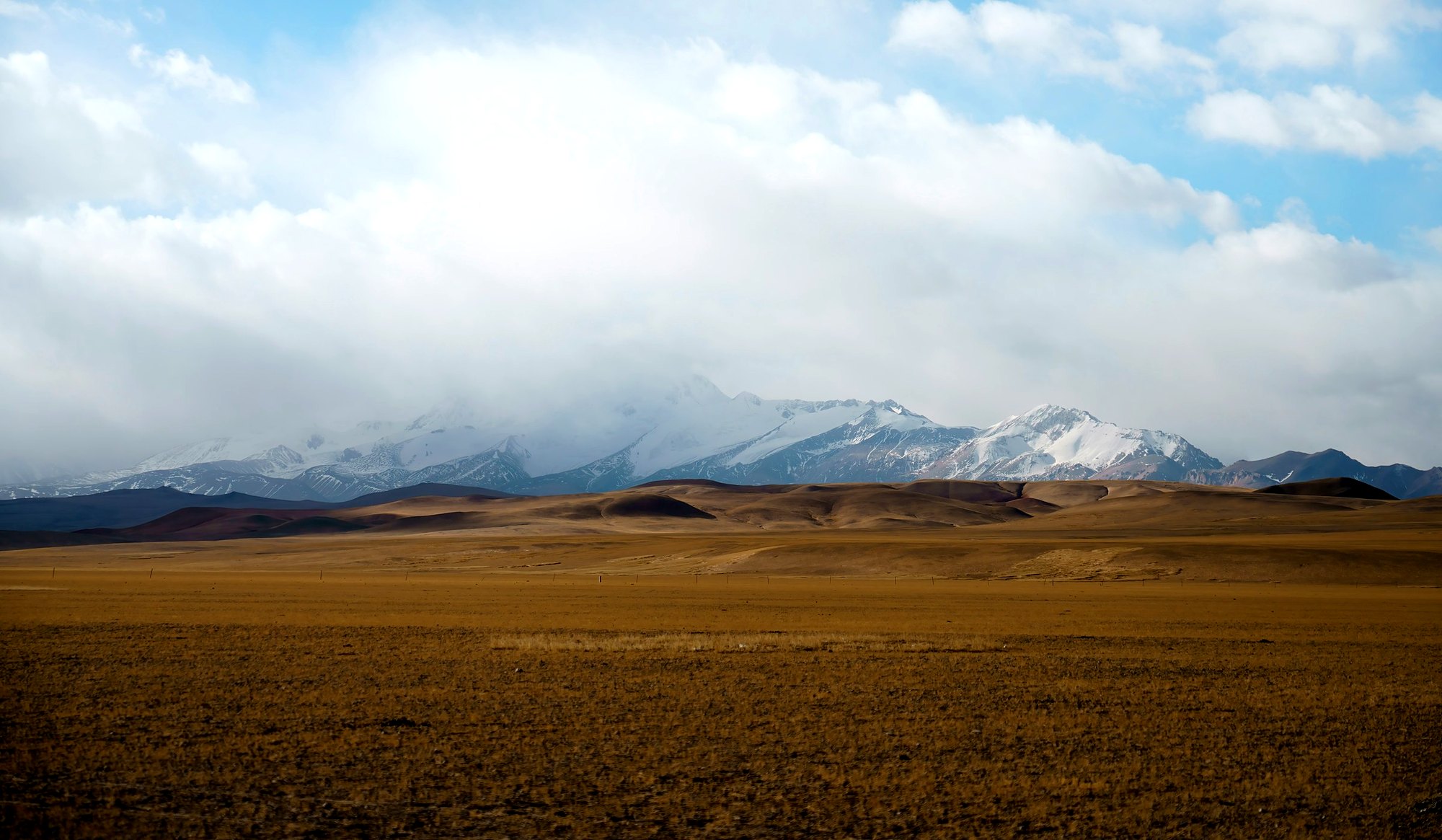
The Kailash kora asks no climbing skill. It asks for three days of steady walking at an altitude where every step costs more than it would at home, and a crossing of the Dolma La at 5,630 metres. Preparing for it well is less about strength than about patience: walking fitness built over months, the right layers, and time to acclimatise on the way.
The short answer
- Fitness: be comfortable walking six to eight hours on consecutive days, on hills, with a light pack.
- Health: see your doctor before you commit, especially about the heart, lungs or sleep.
- Clothing: layers for cold mornings, strong sun and sudden wind, with a warm down jacket for the pass.
- On the day: carry only water, snacks, a warm layer and sun protection. Your luggage stays in Darchen.
- Insurance: make sure your policy covers trekking to at least 6,000 metres and helicopter evacuation.
The fitness that matters
The most useful training is the simplest: walking, uphill, for many hours, on several days in a row. Three to four months before you travel, begin with long weekend walks and build towards two consecutive days of six to eight hours each, on hilly ground, carrying a light pack. Stairs, a steep street or a treadmill on an incline all help when hills are far away.
Regular cardiovascular exercise, such as cycling, swimming or brisk walking several times a week, builds the base. Strength in the legs and core helps on the long descent from the pass.
One thing training cannot do is prepare your body for altitude. Fitness does not protect against altitude sickness, and the fittest walker is often the one most tempted to go too fast. That is why the days before the Kora matter as much as the months before the journey. Our note on the first 48 hours in Lhasa explains how they work.
See your doctor first
Before you commit, see your doctor, and if possible one familiar with altitude. This matters most for anyone with a heart or lung condition, sleep apnoea, or a pregnancy. Ask about preventive medicine for altitude sickness, and bring an ample supply of any medicines you take regularly, in your hand luggage.
What to wear
On the plateau in summer, a single day can bring hard sun, cold wind, rain or snow. The answer is layers, adjusted as you walk.
- Base layer: a long-sleeved top that wicks moisture, in merino or a synthetic fabric.
- Warm layer: a fleece or light insulated jacket.
- Shell: a waterproof, windproof jacket and trousers.
- For the pass: a warm down jacket. On our journey, one is lent to you.
- Head and hands: a warm hat, a sun hat, and two pairs of gloves, one light and one warm.
- Feet: well broken-in walking boots with ankle support, and good walking socks. Never new boots.
- Eyes and skin: sunglasses that block ultraviolet light, high-factor sunscreen and lip balm. At this altitude the sun burns quickly, even through cloud.
Trekking poles are worth bringing. They ease the knees on the steep descent from the Dolma La.
What to carry each day
On the Kora you carry a small daypack, and nothing more. Inside it: water, a few snacks, your warm layer and shell, sun protection, any personal medicine, and a little cash for offerings. Everything else stays in Darchen and is waiting for you when you return.
If you would rather not carry even that, a horse and its handler can take your pack, or you, for any stage. Many pilgrims ride part of the way.
What you can leave to us
On our journey, the rest is in place before you arrive. Oxygen travels with you on the Kora. A down jacket is lent to you. Private rooms are held at the monastery guesthouses at Dirapuk and Zutulpuk. Your journey leader walks beside you, watches the weather and how you feel, and decides early and calmly if the day should change. The Kora, day by day describes each stage.
Papers and insurance
Carry your passport, visa and permits safely, with copies, one on paper and one saved digitally. Your guide holds the original permits. Check that your travel insurance covers trekking to at least 6,000 metres, and evacuation by helicopter. Many standard policies stop at 3,000 to 4,500 metres, well below the Dolma La. Our guide to permits and visas for 2027 sets out the rest.
Questions we are often asked
How fit do you need to be for the Kailash kora? Fit enough to walk six to eight hours on consecutive days, on hills. No climbing skill is needed. Acclimatisation matters more than athletic fitness.
What should I pack for the Kailash kora? Layers: a base layer, a fleece, a waterproof shell, a down jacket for the pass, warm hat and gloves, broken-in boots, sunglasses and high-factor sunscreen. Carry only a small daypack on the walk.
How cold is it on the Kailash kora? Even in summer, early mornings on the Dolma La can be below freezing, and wind and snow can arrive quickly. Days in the valleys can be warm in the sun.
Does travel insurance cover the Kailash kora? Often not. Many standard policies stop at 3,000 to 4,500 metres, and the Kora crosses 5,630. Check that yours covers trekking to at least 6,000 metres and helicopter evacuation.
Begin with a conversation
If you are considering the Kora and would like to talk through your own fitness or health, we are glad to. Your journey designer in Kathmandu will reply promptly, and shape Kailash 2027 to the pace that suits you.
This article is general guidance, not medical advice. Please speak with your own doctor before travelling to high altitude.
Sources
- Seeing a doctor first, conditions that need advice, carrying medicines, copies of passport and permits: US State Department, Kora Pilgrimage to Mount Kailash and CDC Yellow Book, High-Altitude Travel.
- Fitness does not protect against altitude illness: Wilderness Medical Society consensus guidelines.
- Standard insurance limits of 3,000 to 4,500 m, and cover to 6,000 m advised for the Kora: Alpine Luxury Treks, Kailash travel insurance and Nagarjuna Travels, Kailash insurance checklist.
- Our journey's oxygen, down jacket, horse and handler, guesthouses and luggage in Darchen: our Kailash 2027 page.
Every journey begins with a conversation.
Plan a journey