

Conservation
A future for the wild.
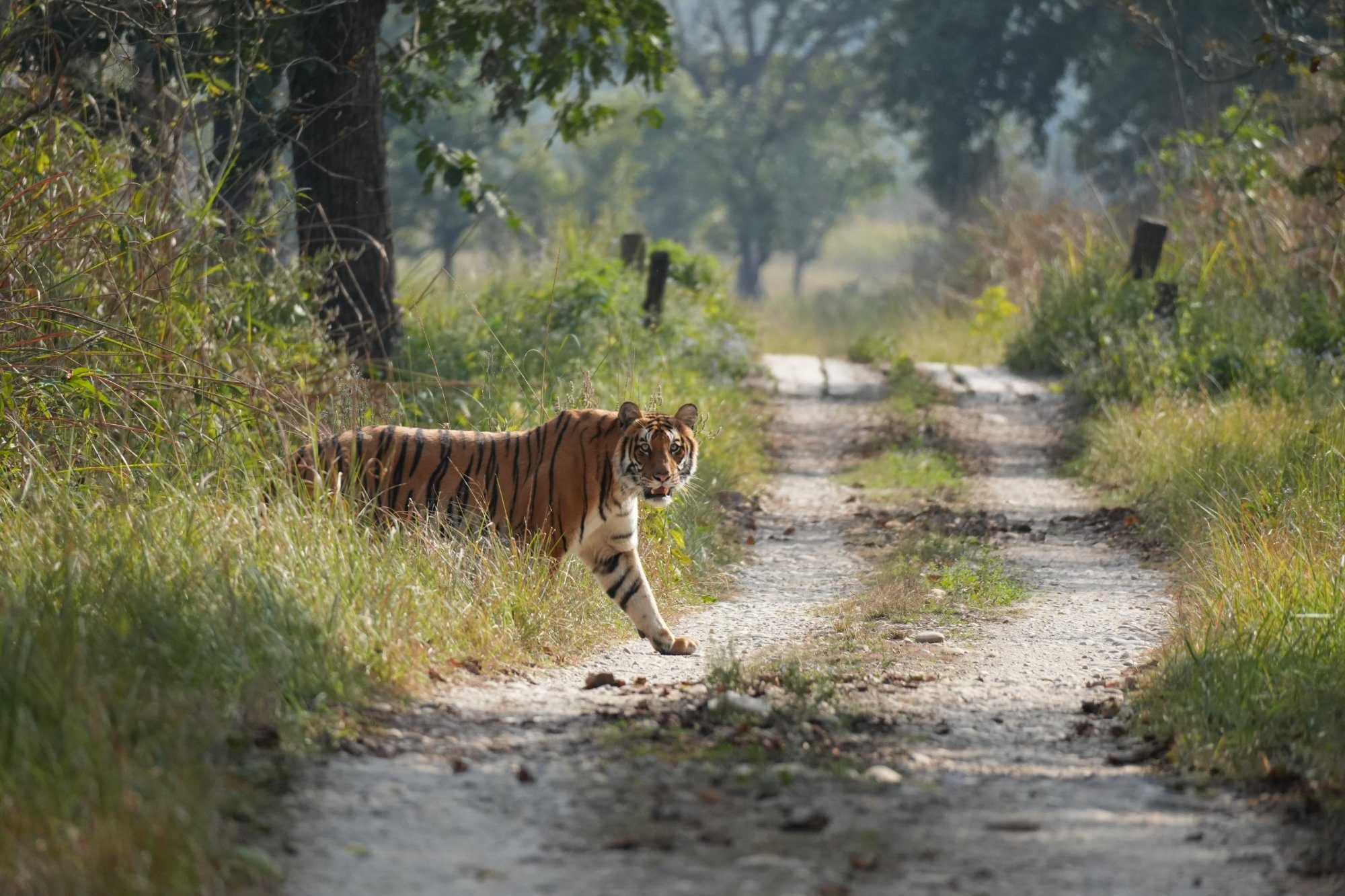
The rarest thing we can offer is a future for the wild, and all that lives here.
Bengal tiger · Bardia
Three things, on every journey
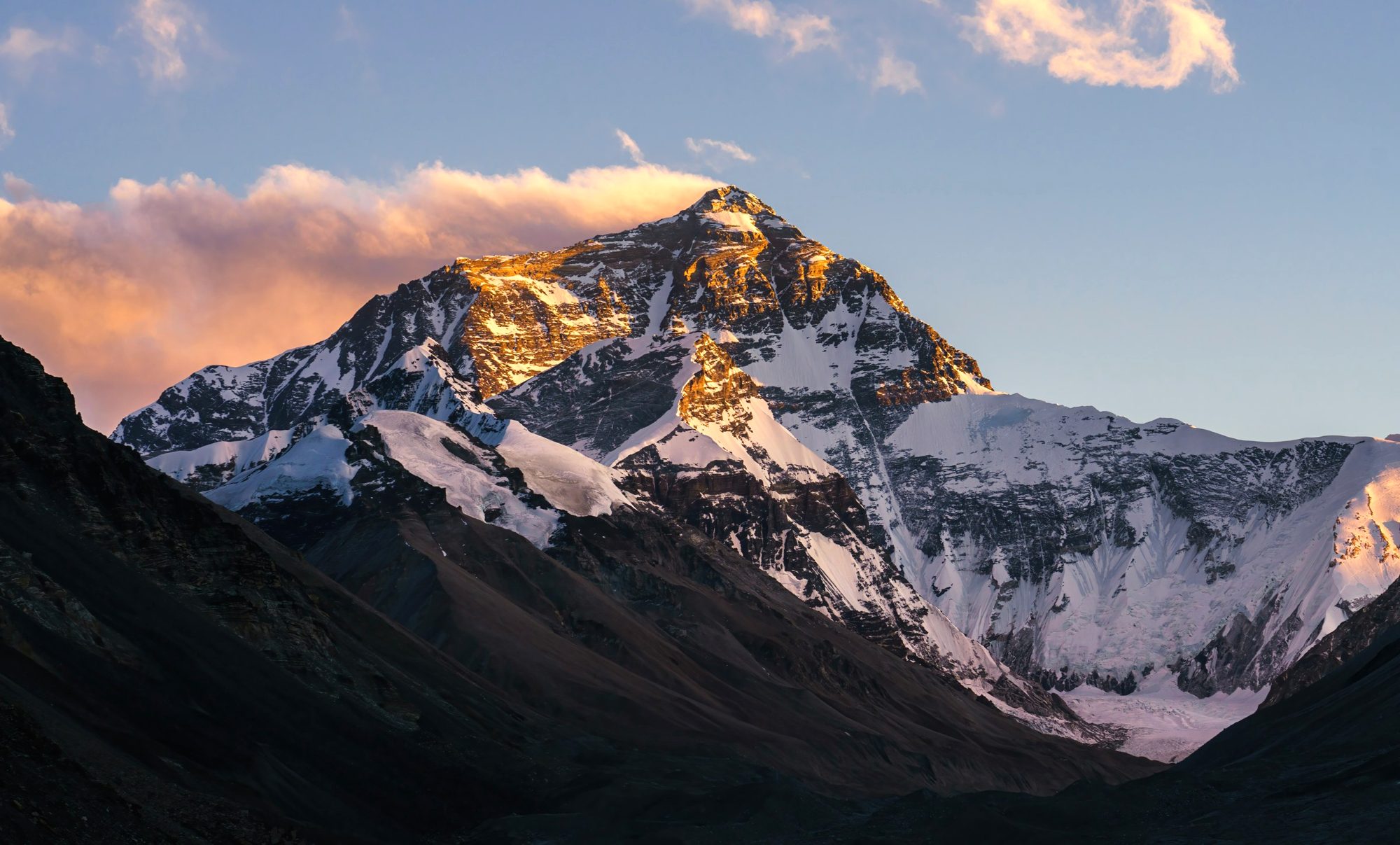
Visit.
Contribute.
Protect.
Where it goes.
A part of every journey funds conservation where our guests travel.
Camera traps and trained local trackers on the ground. What they record goes into Nepal's national wildlife monitoring, not into our files.
Ten native trees for every guest, cared for over three years, because a planted tree that dies is not conservation.
Year one targetEverything packed in is packed out. No single-use plastic in our camps, and waste from remote sites is flown out, never burned or buried.
At least eight in ten of our team drawn from the regions we travel through, and a share of profit returned to schools, clinics and clean water.
Year one target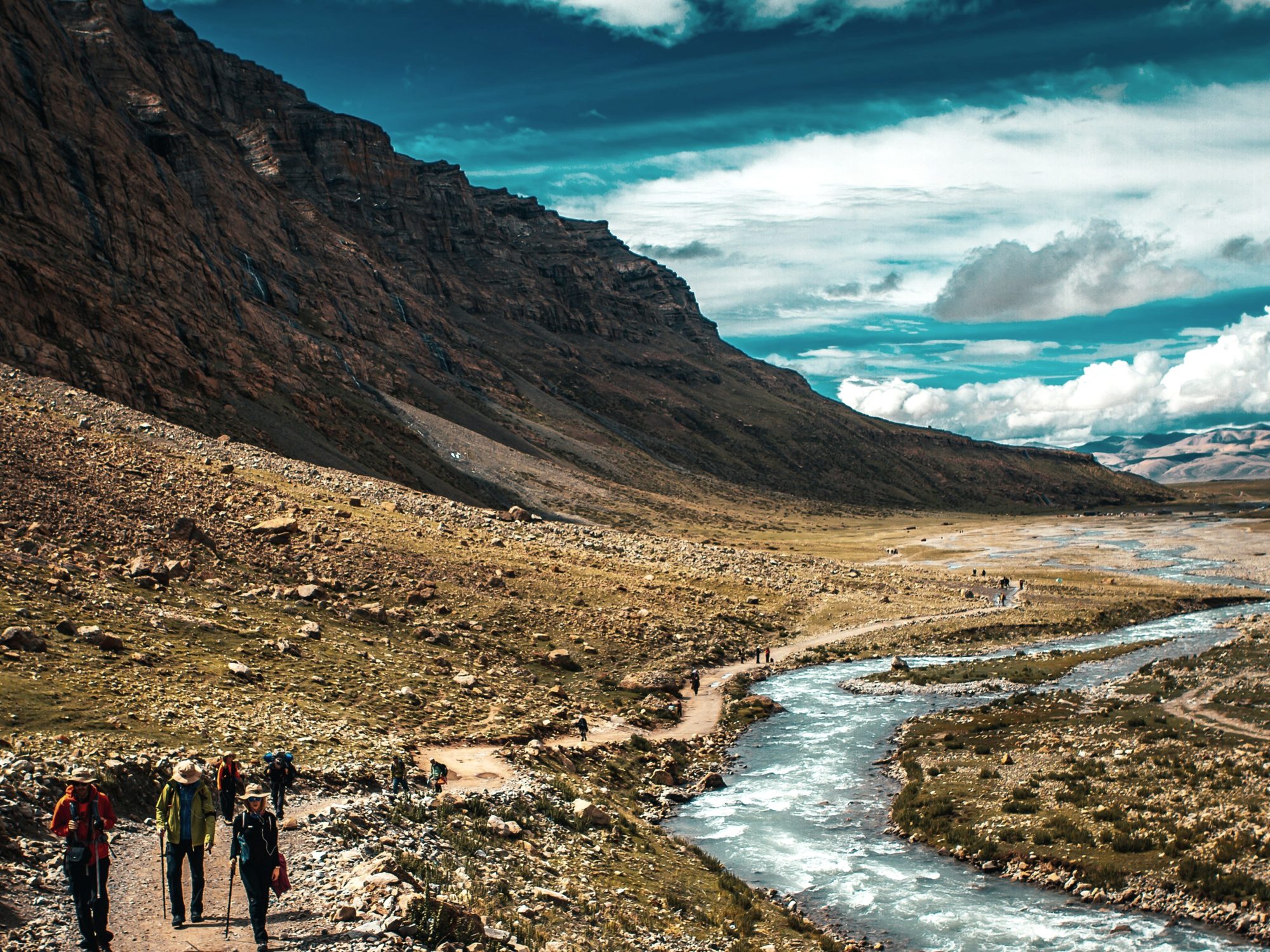
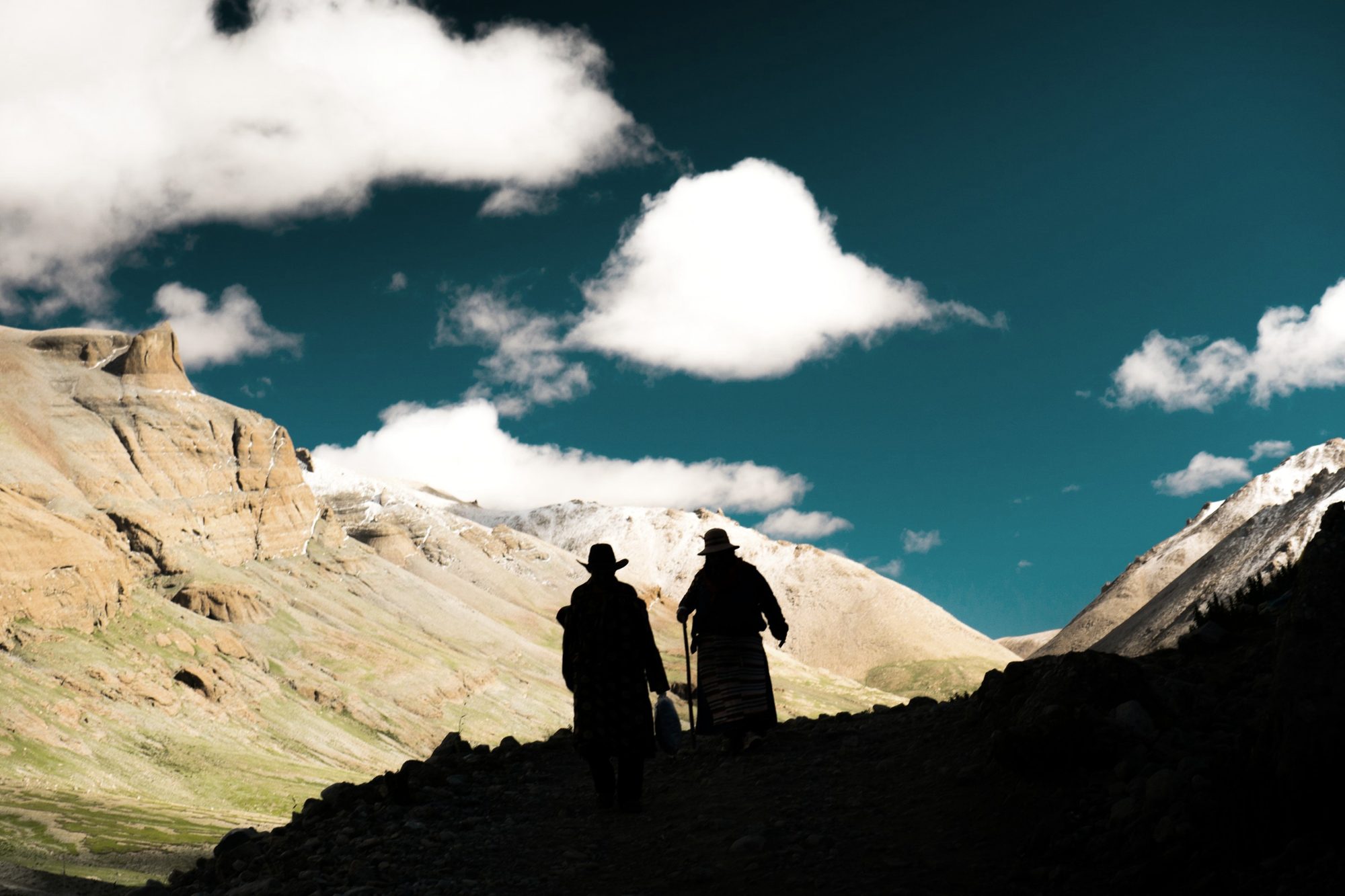
How we travel
The rules we travel by.
On the trail
How we travel
The rules we travel by.
Who travels
Private. Always.Just you and the people you travel with: fewer people on the trail, less weight on the land, and more time with the places themselves.
On the trail
Everything in. Everything out.What we carry up the mountain, we carry back down.
Wildlife
On foot, at a distance, with local trackers.We follow the people who know the forest best, and we let the animals keep their distance.
Who leads
Nepali-owned.Nepali-led.
Every journey is planned in Kathmandu and guided by people who call these mountains home.
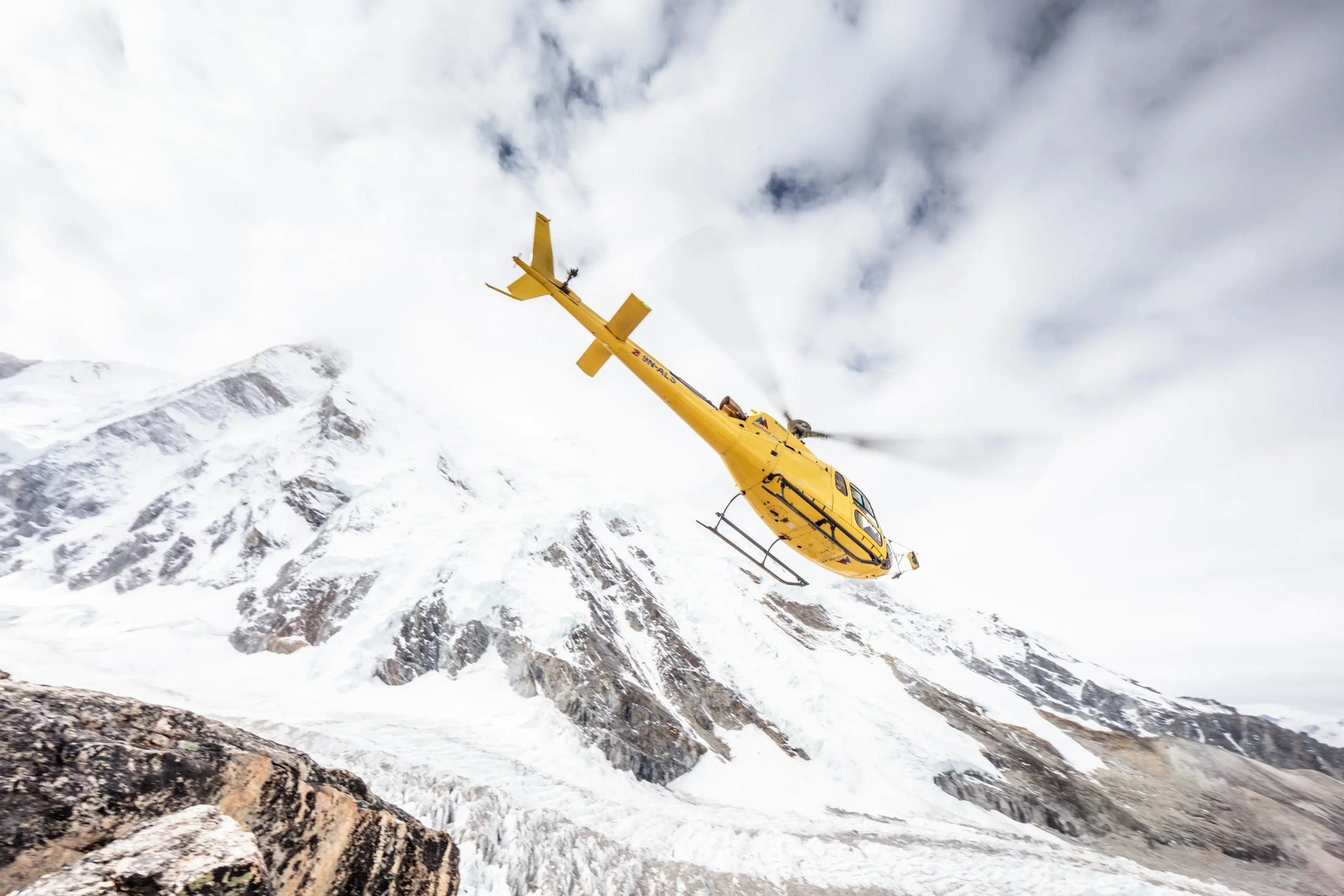
How we fly
Airbus H125.
In 2005, a helicopter of the same line landed on the summit of Everest. No helicopter has touched it since.
Why we fly
A day by road is behind you within the hour. The time returned is yours to spend in the mountains.
The height it is certified to fly. Over the passes we cross, that is altitude in hand.
It needs none cut into the mountainside. We arrive, and the valley is left as it was.
Working for the mountains
The highest helicopter landing ever made, on the summit of Everest, by the line we fly.
Climbers lifted from high camps on a line beneath the aircraft, where no helicopter can land.
Patients flown out of remote valleys in hours, when the walk would take a week.
Heavy loads slung to villages and high camps that no road reaches.
The aircraft that carry our guests spend the rest of the year working for the mountains.
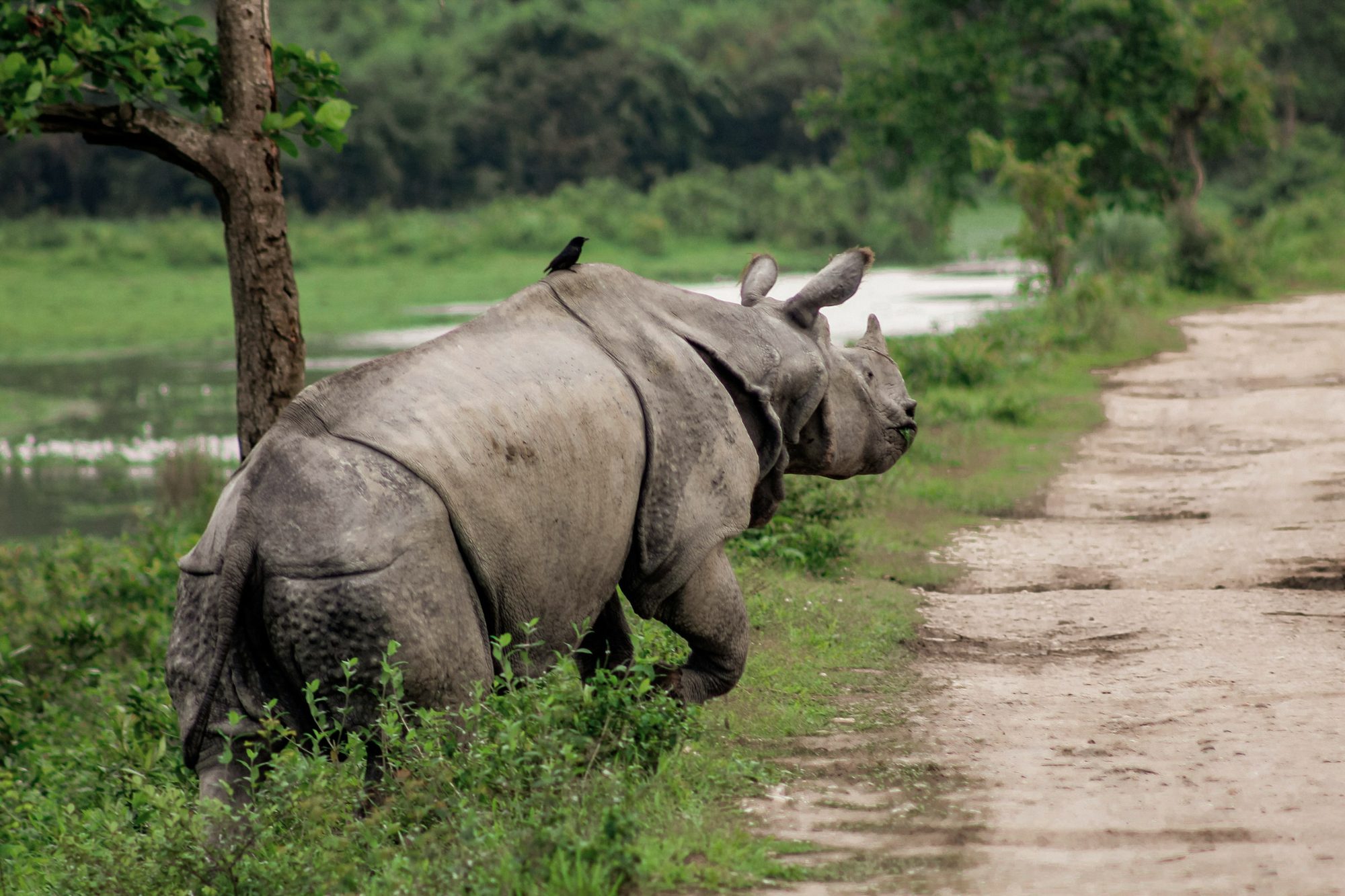
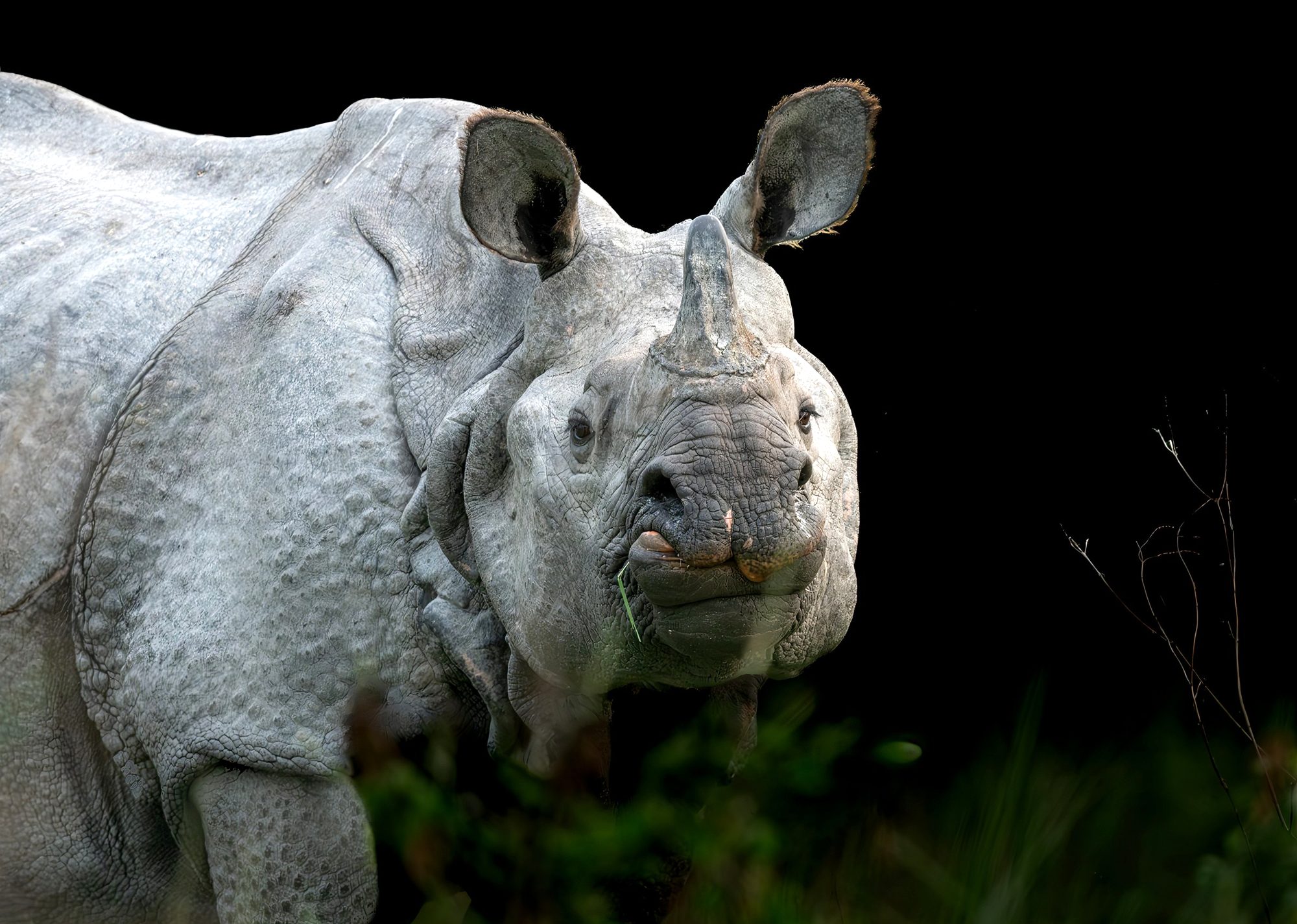
Greater one-horned rhino
Counted across Nepal in 2021, up from 645 six years earlier. A hundred and seven more, from Chitwan to Shuklaphanta.
National rhino count, 2021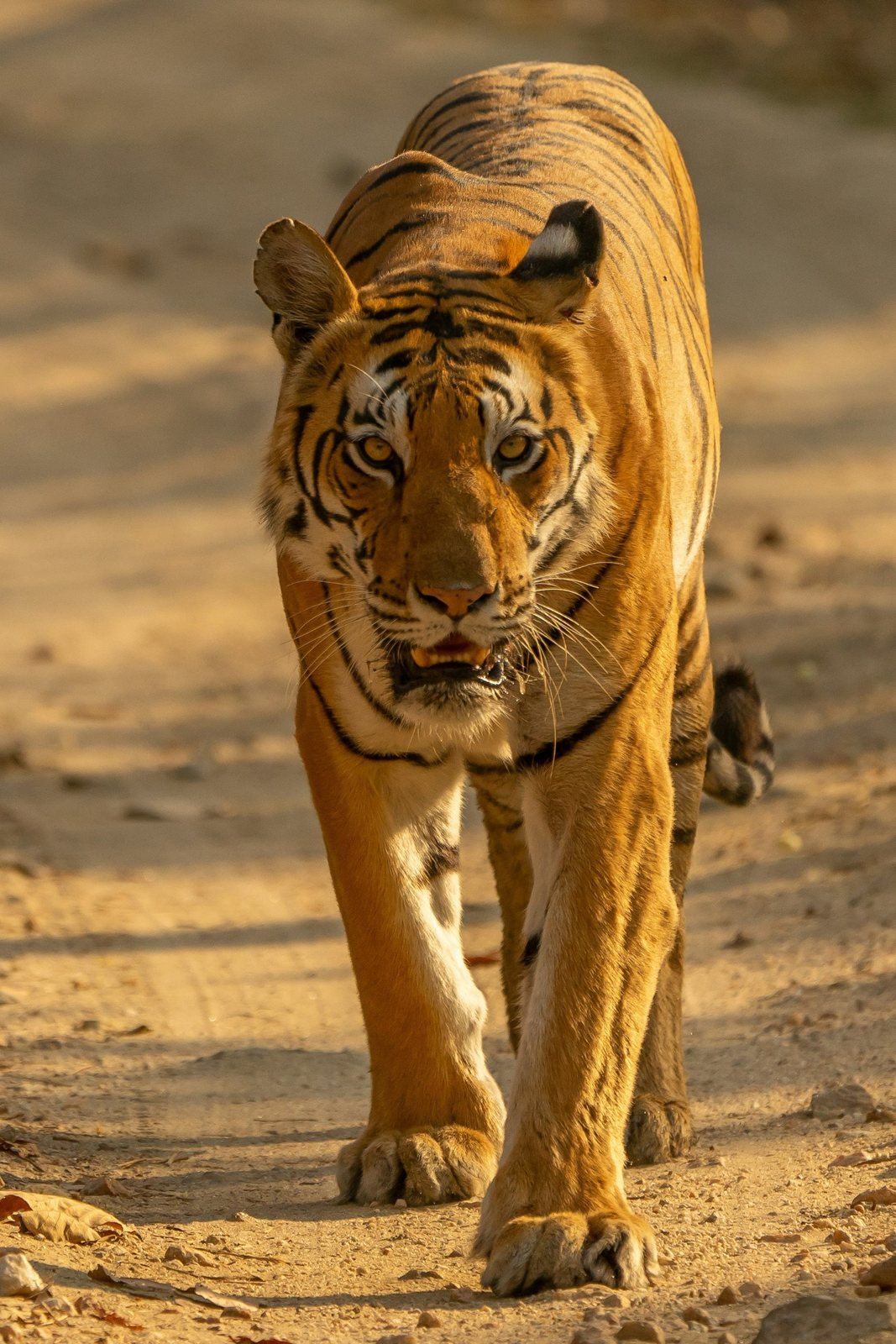
Bengal tiger
Wild tigers in Nepal in 2026, up from 121 in 2010. The tiger nations pledged to double their tigers by 2022. Nepal did, and kept going.
National tiger and prey survey, 2026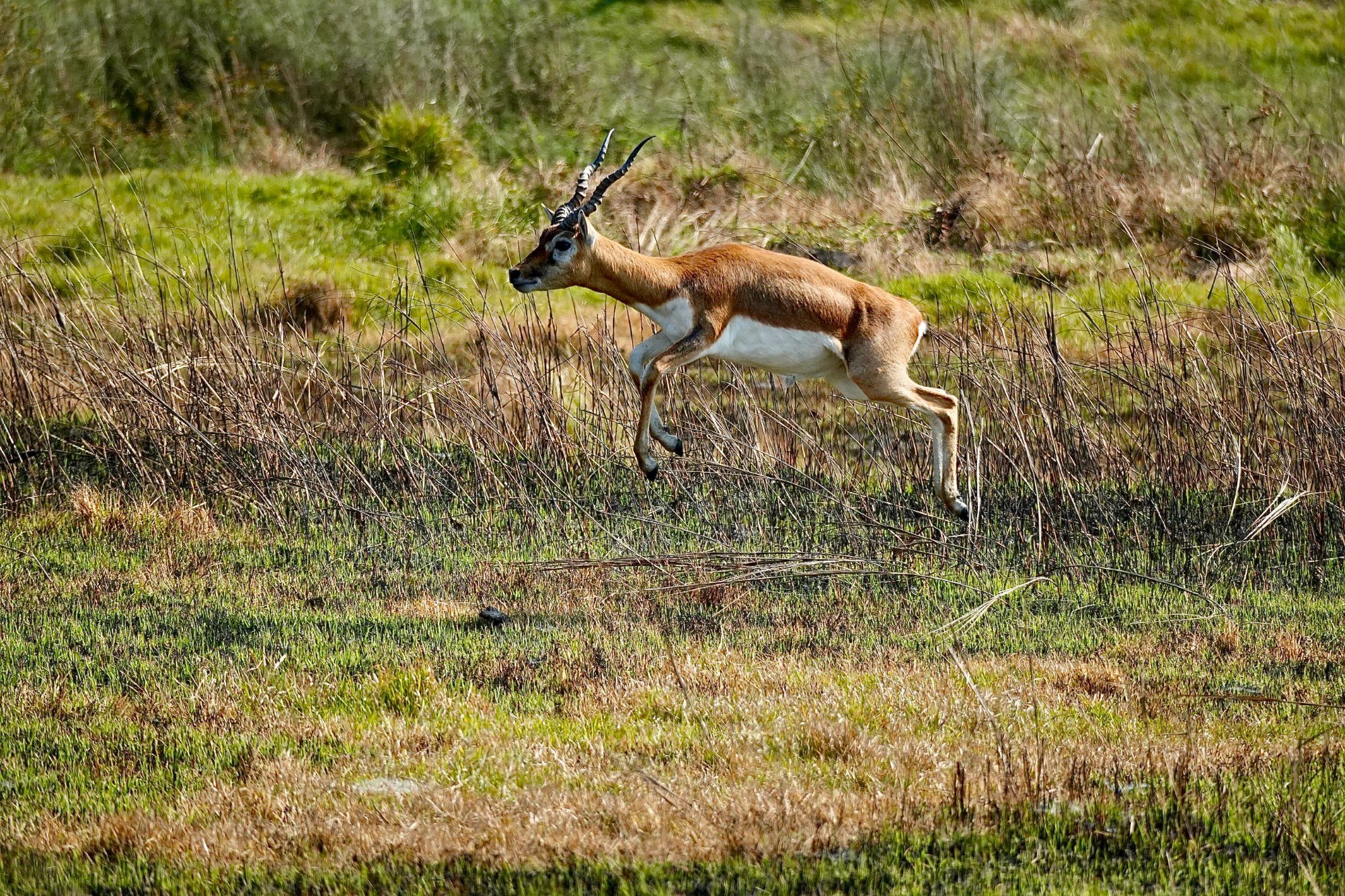
Blackbuck
All that was left in Nepal in 1975. That same year, armed guards were posted to watch over them in Khairapur, Bardiya.
- 2009Declared a protected area of its own
- 2012Forty-two moved to Shuklaphanta, a second home
- 2026313 in Shuklaphanta alone
The wild can come back.
Save our snow
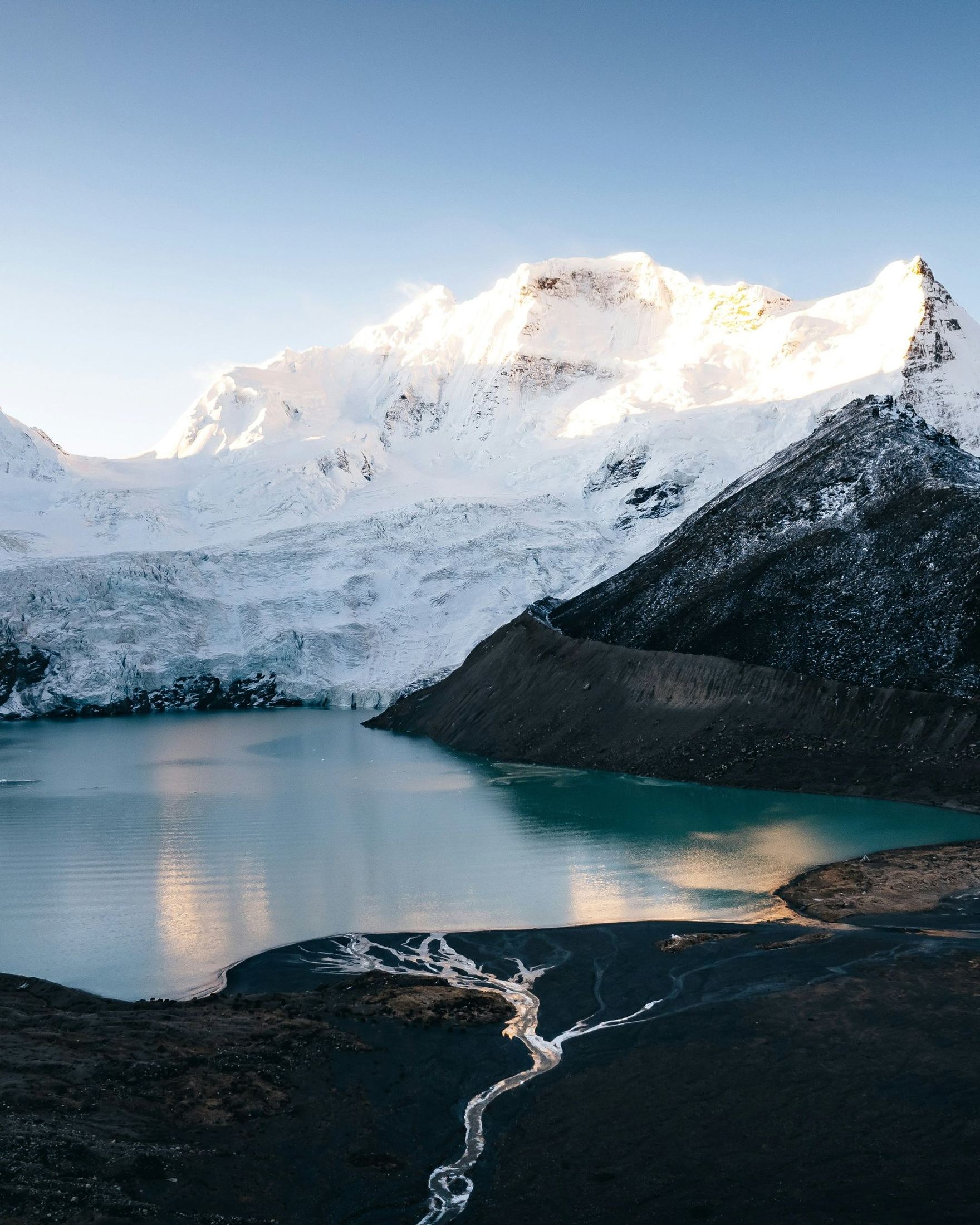
Everything here begins as snow.
The glaciers and snowfields above us feed twelve rivers through sixteen countries. They keep the valleys green, and they are receding.
Faster: the pace at which Himalayan glaciers receded between 2011 and 2020, against the decade before.
Of their ice could be gone by 2100, on the emissions path the world follows today.
People downstream depend on rivers fed by this ice and snow, beyond the 240 million who live in the mountains.
Up to a quarter less snow cover is projected under high emissions.
Source: ICIMOD, HI-WISE report, June 2023
Leave it wilder.
Every journey begins with a list. Share yours: the mountain you've always meant to see, the animal you've always hoped to meet.