

Lhasa Altitude: Your First 48 Hours at 3,656 Metres
Lhasa stands at 3,656 metres, and you arrive by air. What the altitude feels like, how to spend the first 48 hours, and the signs never to ignore.
27 November 2026
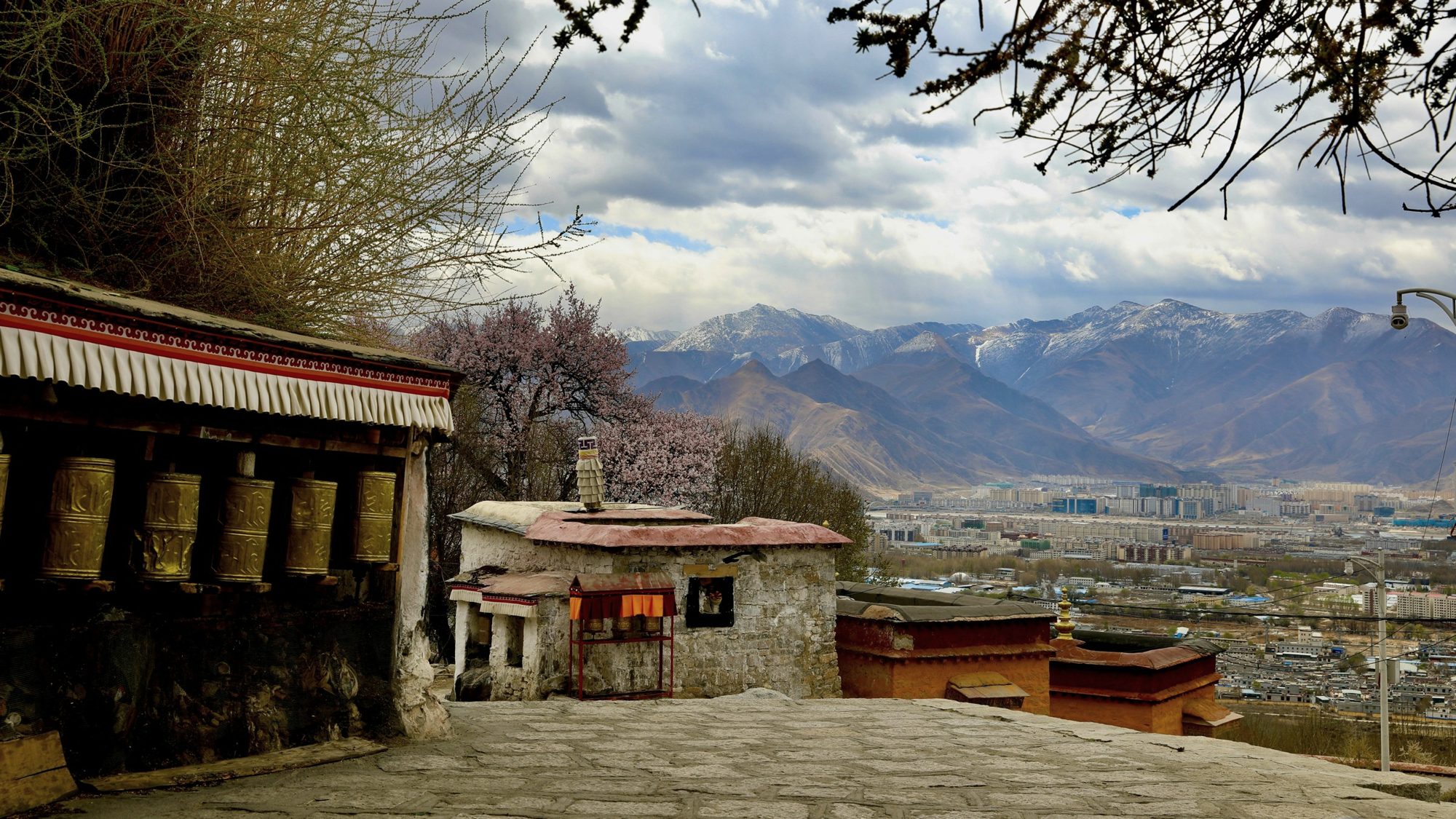
Lhasa stands at 3,656 metres, higher than any city most travellers have slept in. The flight from Kathmandu brings you there in about an hour and a half. Your body takes longer. How you spend the first two days decides how the rest of the journey feels.
The short answer
At Lhasa's altitude, each breath carries noticeably less oxygen than at sea level. Most people feel it on arrival: a quicker pulse, breathlessness on the stairs, a light headache. For many it passes within a day or two as the body adjusts.
What helps is simple, and almost all of it is time. Rest on the day you arrive. Keep to gentle walking for the first 48 hours. Avoid alcohol for those two days. Before you travel, ask your doctor whether a preventive medicine such as acetazolamide is right for you. And never go higher while you still feel unwell.
Why flying in is different
On foot, the body climbs slowly and adjusts on the way. By air, it arrives all at once. The US Centers for Disease Control and Prevention (CDC) places travellers who fly directly to above 3,400 metres in its high-risk category for acute mountain sickness, with rates approaching half of all arrivals. Lhasa is one of those destinations, alongside cities such as La Paz.
Symptoms usually begin two to twelve hours after arrival, often during or after the first night. That is why the first evening matters more than the first afternoon, and why our journey asks nothing of you on the day you land.
The first 48 hours, as we shape them
The day you arrive. A private car meets you at the airport and drives you into the city. The rest of the day is yours to rest. Two of the three Lhasa houses in our collection, the Shangri-La and the InterContinental, supply oxygen to every room. Dinner is light and early, and your journey leader is close at hand.
The second day. The city is best taken at walking pace. The Jokhang Temple and the Barkhor, the pilgrim circuit around it, are almost level. The Potala Palace is climbed by long stone stairways, so we take it slowly, with pauses, and never as the first thing on a tired morning. Sera Monastery and the Norbulingka, the summer palace, fill the rest of the day without asking much of you.
The second evening. By now most travellers sleep better and breathe more easily. Your journey leader asks how you feel before the road west begins. If you need another day in Lhasa, you take it. The plateau will wait.
What you can do
Before you travel. See your own doctor, and if possible one familiar with altitude. This matters most for anyone with a heart or lung condition, sleep apnoea, or a pregnancy, even when the condition is well controlled. Ask whether acetazolamide, the medicine most often used to prevent and ease altitude sickness, is suitable for you, and how to take it. For anyone flying straight to Lhasa, the CDC advises doctors to have a low threshold for prescribing it.
On arrival. Rest. Walk slowly, and keep to mild activity for the first 48 hours. Leave alcohol for later in the journey. Eat lightly, sleep as much as you like, and tell your journey leader how you feel, honestly, each evening.
On the road west. The same rule holds all the way to the mountain: if you feel unwell, you do not go higher until you feel better.
The signs to take seriously
Ordinary acute mountain sickness feels much like a hangover: a headache, with tiredness, dizziness, nausea or a poor appetite. It is common, and it usually eases with rest at the same altitude.
Two rarer conditions are serious, and need action straight away:
- Confusion, drowsiness, or unsteady walking, like being drunk without having had a drink. This can be a sign of fluid on the brain (high-altitude cerebral oedema).
- Breathlessness at rest, a persistent cough, or a tight chest. This can be a sign of fluid on the lungs (high-altitude pulmonary oedema), which can develop over one or two days.
In both cases, and whenever symptoms grow worse despite rest, the answer is to go down. From Lhasa, the quickest way down is the flight to Kathmandu, more than 2,200 metres lower. Oxygen travels with every one of our journeys on the plateau.
Beyond Lhasa
Lhasa is where acclimatisation begins, not where it ends. The road west rises to Saga at 4,640 metres and Lake Mansarovar at 4,590 metres, and the Kora crosses the Dolma La at 5,630 metres. The days in Lhasa are the foundation for everything above it. You can read how the whole journey is shaped on our Kailash 2027 page, and what is in place should plans change on How we work.
Questions we are often asked
How high is Lhasa? Lhasa stands at about 3,656 metres (around 12,000 feet). Figures vary slightly between sources.
Will I get altitude sickness in Lhasa? Many travellers who fly in feel some symptoms, usually mild, often on the first night. Fitness does not protect you, and past experience at altitude is only a partial guide. Time and rest are what help.
Should I take acetazolamide (Diamox)? That is a decision for your doctor, who knows your health. For travellers flying directly to Lhasa, it is a question worth asking well before you leave.
Do Lhasa hotels have oxygen? Many of the better hotels do. In our collection, the Shangri-La and the InterContinental supply oxygen to every room.
Begin with a conversation
If you are considering Tibet and wondering about the altitude, tell us. Your journey designer in Kathmandu will reply promptly, answer your questions plainly, and shape the days in Lhasa around you. When you are ready, our guide to permits and the season sets out the rest.
This article is general information, not medical advice. Please speak with your own doctor before travelling to high altitude.
Sources
- Risk when flying to above 3,400 metres, rates approaching 50%, onset two to twelve hours after arrival, alcohol and mild exercise for the first 48 hours, the warning signs of cerebral and pulmonary oedema, descent, and who should see a doctor first: CDC Yellow Book, High-Altitude Travel and Altitude Illness, last reviewed 23 April 2025.
- Fitness and youth do not protect against altitude illness: Wilderness Medical Society consensus guidelines, as summarised by GP Notebook.
- Altitude guidance for travellers to Tibet: US State Department, Kora Pilgrimage to Mount Kailash, updated 4 June 2026.
- Kathmandu to Lhasa flight time: Tibet Discovery, Lhasa flight schedule.
- Altitudes of Lhasa, Saga, Mansarovar and the Dolma La, the itinerary, and oxygen in the Shangri-La and InterContinental: our Kailash 2027 page, checked November 2026.
Every journey begins with a conversation.
Plan a journey